
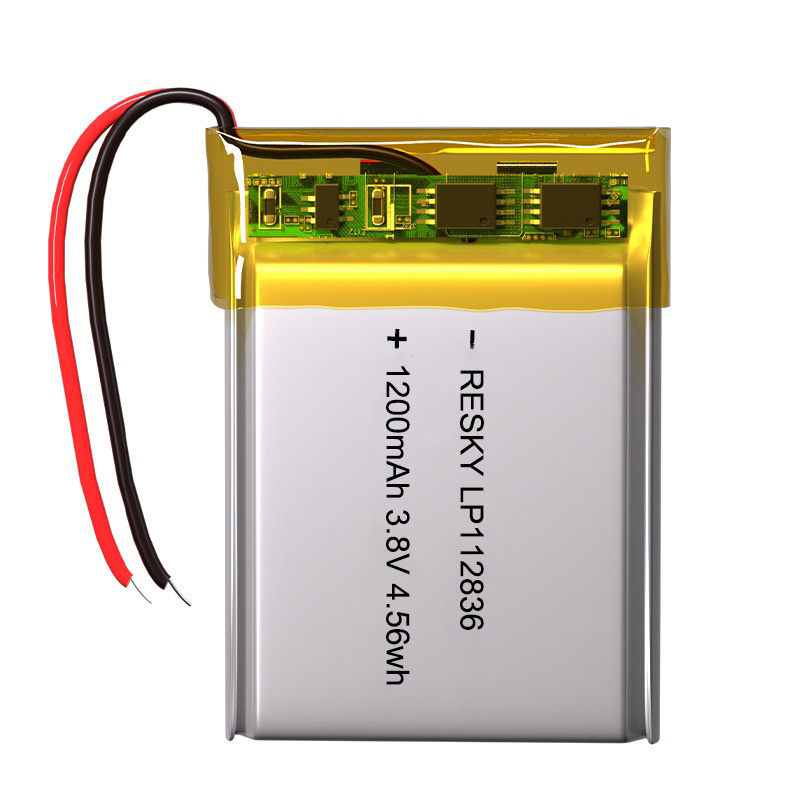
Advantages & disadvantages for 3.8V high voltage lithium ion polymer batteries?
Advantages: 1. Higher Energy Density This is the most prominent advantage of the 3.8V high-voltage lithium polymer battery. At the…
Advantages: 1. Higher Energy Density This is the most prominent advantage of the 3.8V high-voltage lithium polymer battery. At the…
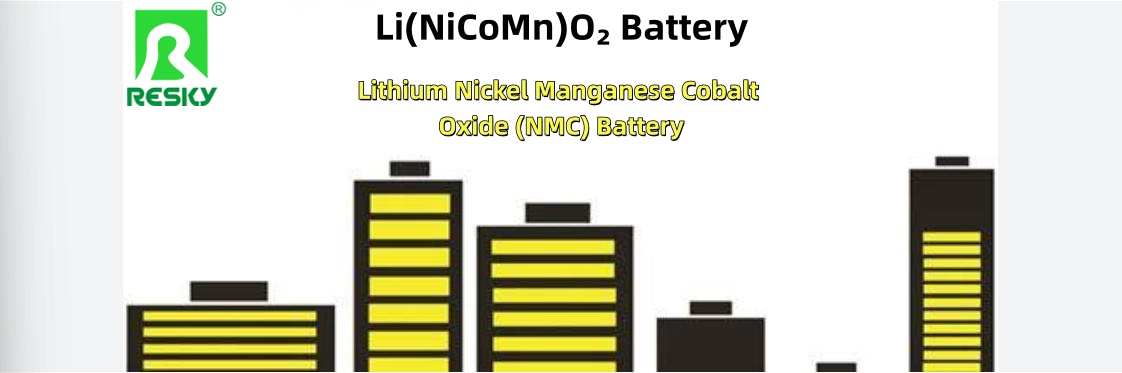
Ternary Lithium Polymer Batteries Main Advantages: Long cycle life, low long-term operating cost. Superior safety, good thermal stability,…

1.Main Application Advantages: High Energy Density, Extended Flight Life: With an energy density typically reaching 200-240 Wh/kg, this battery can…
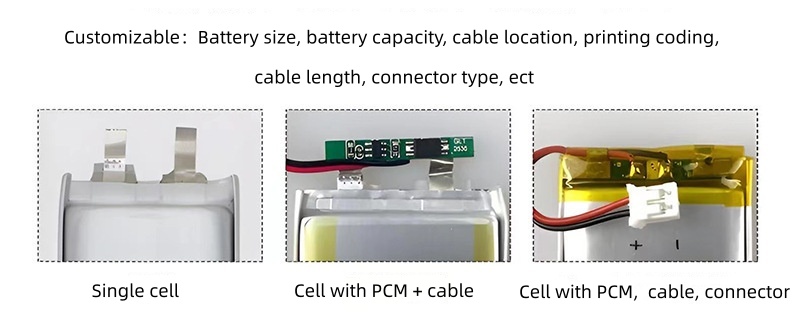
Customization of Basic Performance Parameters: Size and shape are customizable, and the tab center distance can be flexibly adjusted. Voltage…
7.4V 11.1v 2s 3s lithium ion battery pack 20W balance charger
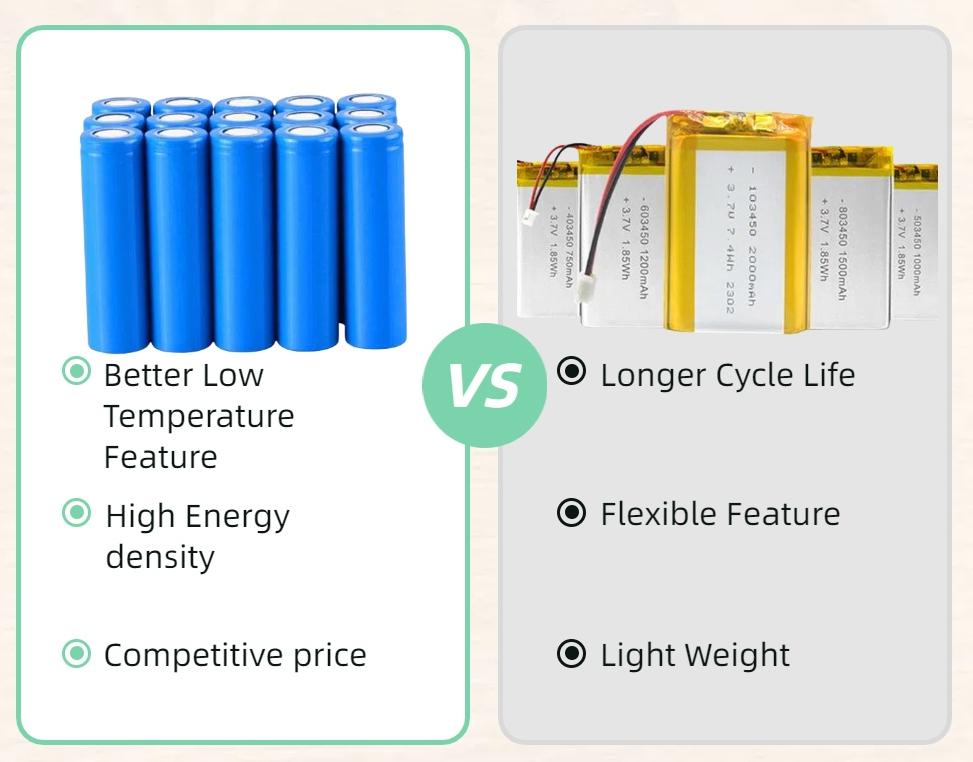
Energy Density and Volume: The 18650 battery cell utilizes a cylindrical structure, boasting an energy density of up to 250Wh/kg….
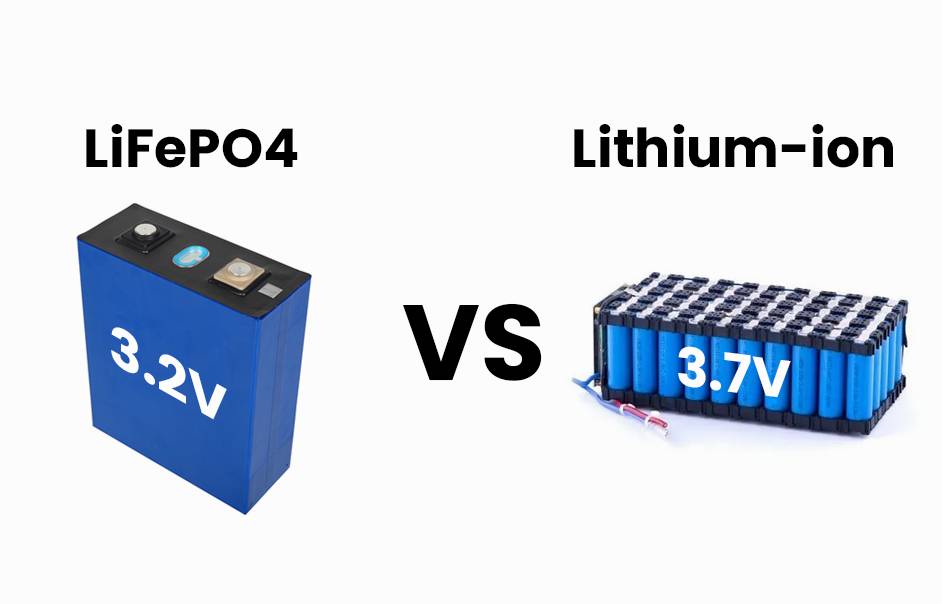
1.Energy Density: Energy density is a key metric for measuring a battery’s energy storage capacity. It directly determines how…
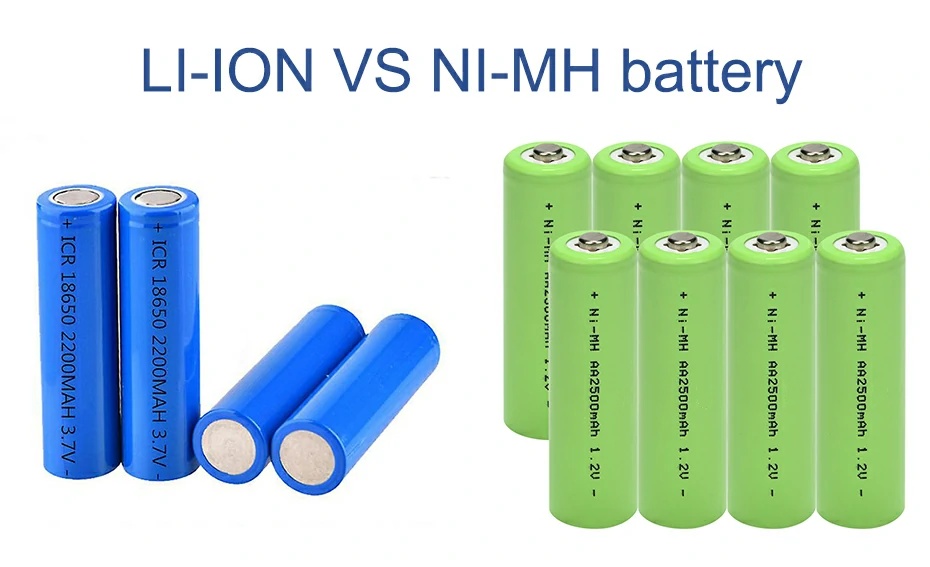
1.Basic Principles and Structure Ni-CD and Ni-Mh Batteries Principle: Converts chemical energy into electrical energy through a chemical reaction. During…
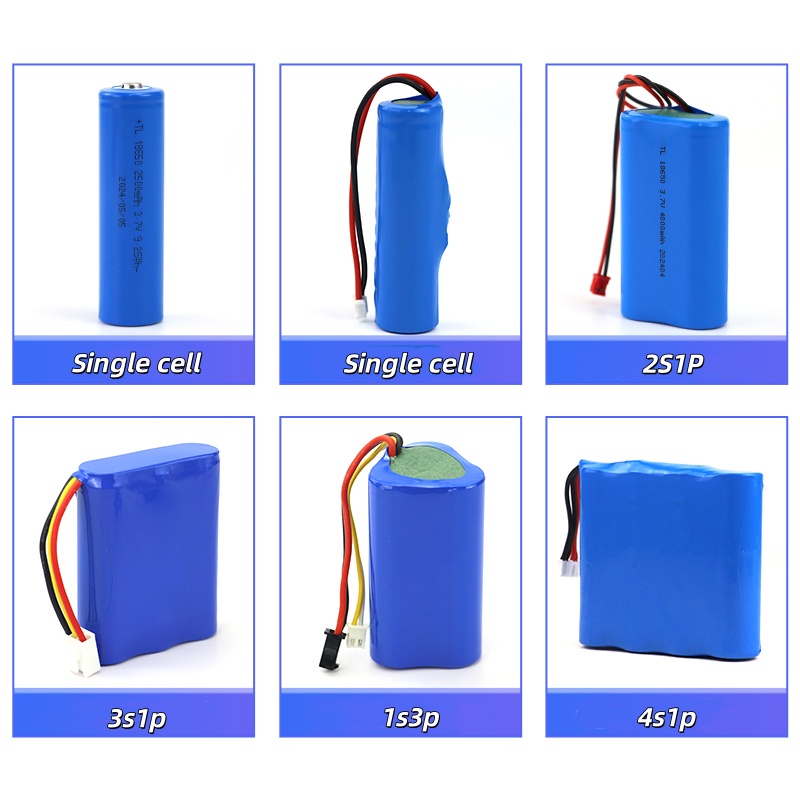
With the continuous advancement of medical technology, portable medical devices are becoming increasingly popular. Lithium batteries, due to their efficient…
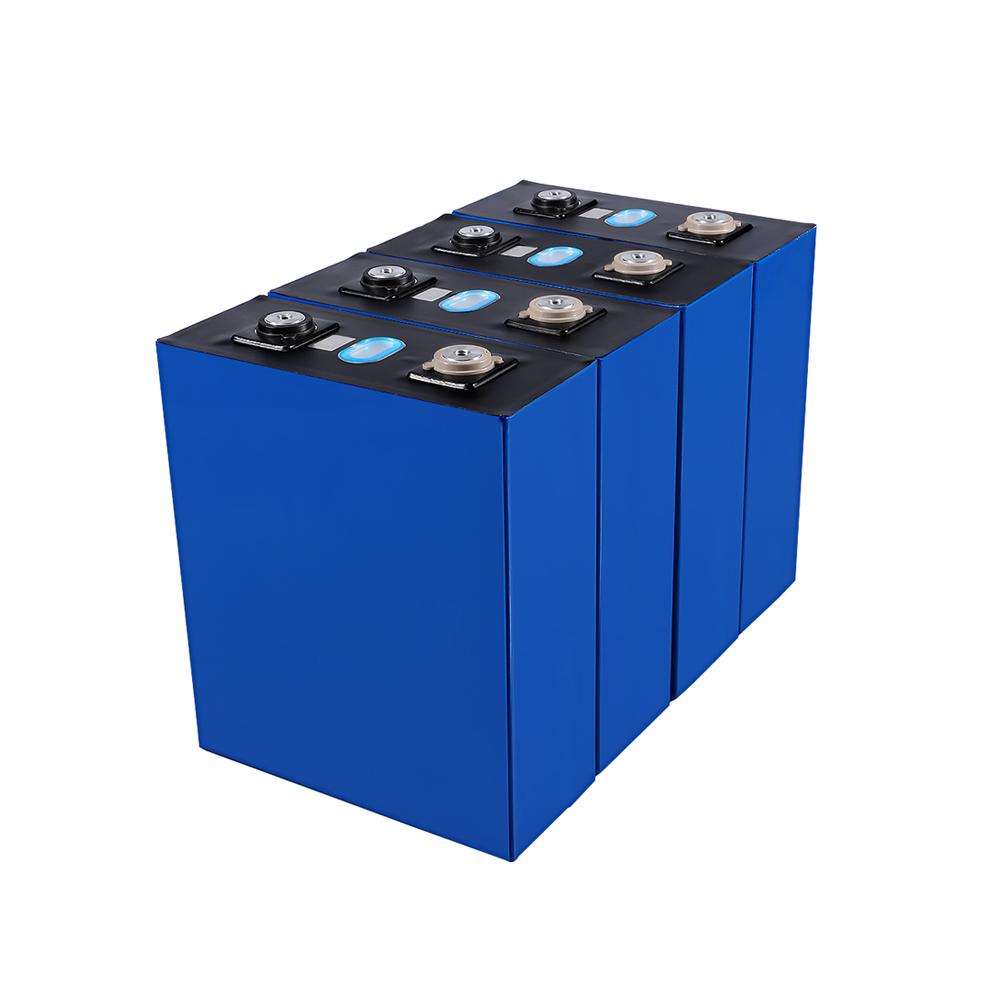
Safety features Of Lithium Iron Phosphate Batteries: Of all types of lithium batteries, lithium iron phosphate batteries are arguably the…